


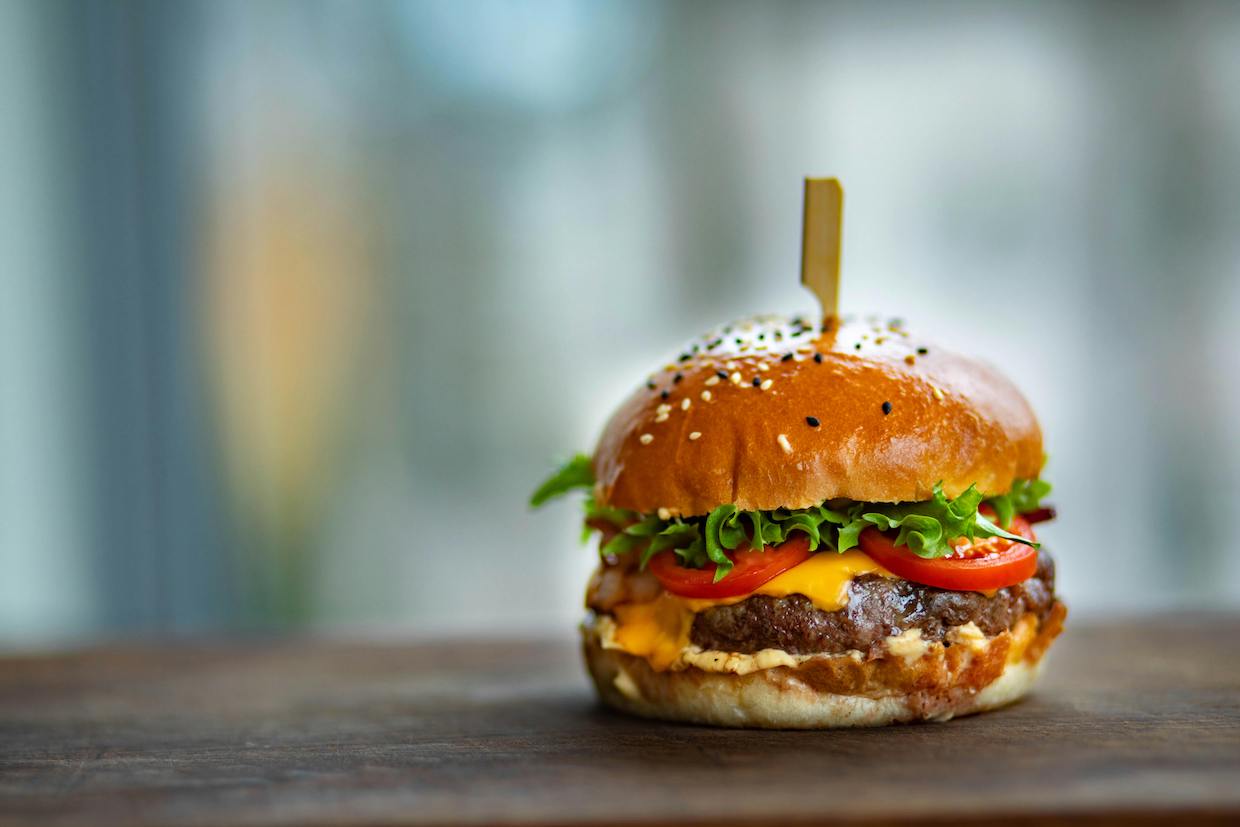
New research proposes a potential secret ingredient in a classic comfort food, the burger: rehydrated coffee cherry pulp powder.
As research-and-development teams in the global food and beverage industries continue to explore low-cost paths towards circularity, the new scientific study found that hydrated coffee cherry pulp powder (CCPP or “cascara powder”) can partially replace beef fat in burger patties, improving some nutritional value while still earning strong taste scores.
Published late last year in the Nature journal npj Science of Food, the study suggests the addition of coffee pulp powder may have both environmental and commercial benefits, by reusing byproducts of coffee. Coffee pulp — the sticky flesh and skin that surrounds coffee seeds and is removed during the farm production process — is typically either discarded as waste or composted for farm use.
“The growing consumer interest in safe and health-enhancing foods has led to a significant trend in product reformulation within the food industry,” the authors wrote. “This strategy focuses on replacing traditional ingredients with healthier alternatives, which has been shown to positively impact consumer health and acceptance.”
What Changed in the Burgers
Led by researchers in Saudi Arabia and Egypt, the new study involved coffee cherry pulp powder from a private coffee producer in Saudi Arabia, then hydrated it at a 3:1 water-to-powder ratio for 24 hours before blending it into burger mixes.
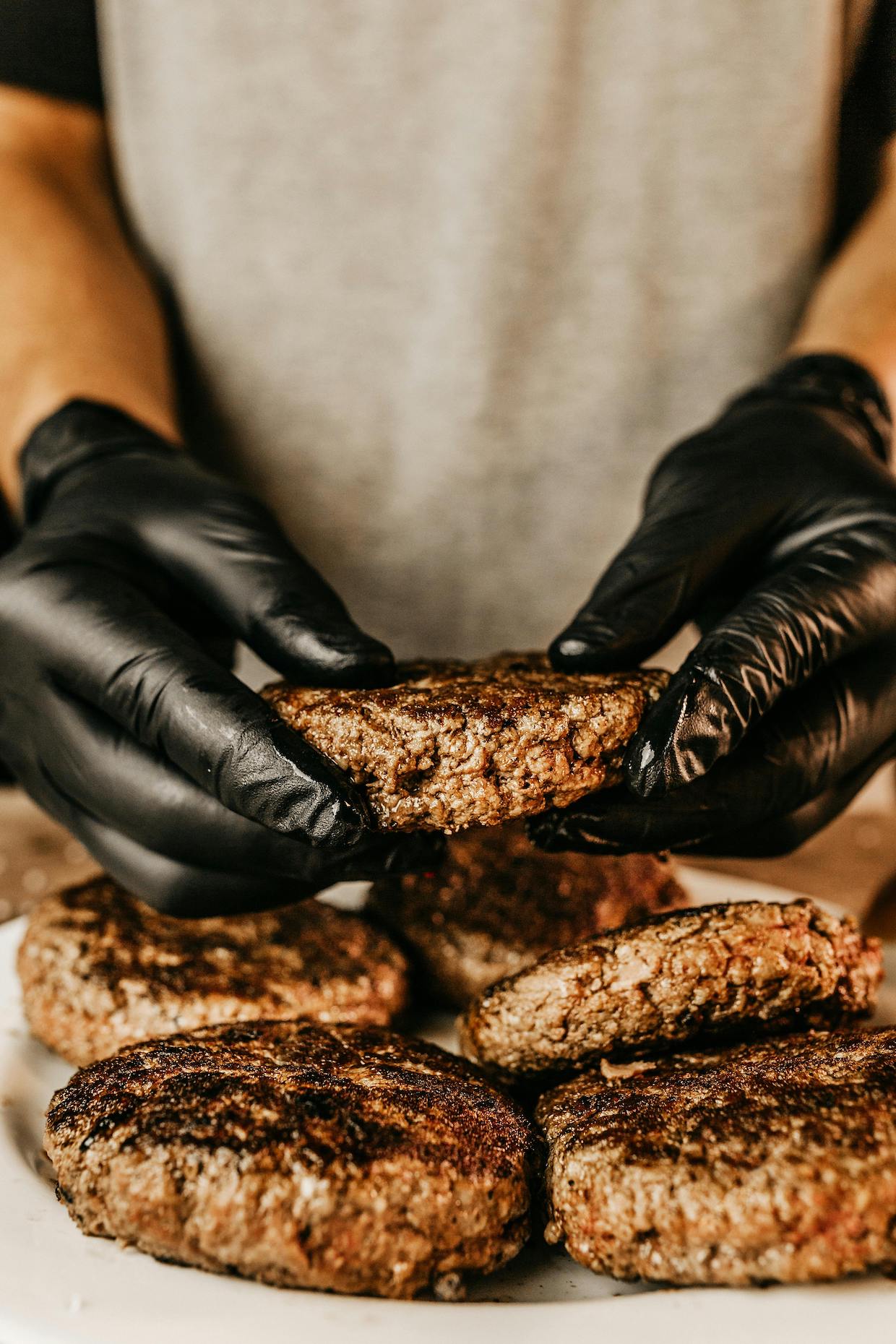
They prepared 100-gram patties using 65% lean beef, then tested a control formula containing 20% beef fat against four treatments that replaced 25%, 50%, 75% and 100% of that beef fat with hydrated coffee cherry pulp powder. Patties were grilled at 180°C (356°F) for 5 minutes to a 73°C (163°F) internal temperature.
Alongside the burger tests, the researchers also characterized the powder’s “techno-functional” attributes, including water absorption capacity, oil absorption capacity and emulsifying activity, as part of their case for using CCPP in reformulated foods.
Taste and Health Results
Meanwhile, a 50-person sensory panel of people ages 25-40 that evaluated the burgers using a 9-point hedonic scale found the powder-enhanced burgers to be likable.
The formulations with 50% fat replacement and 75% fat replacement scored best among taste testers, with relatively high scores for “overall acceptability” and other factors such as appearance, color, texture, juiciness and flavor.
The Deanship of Graduate Studies and Scientific Research at Saudi Arabia’s Qassim University is credited with providing financial support for the study. The authors, Rehab F. M. Ali and Ayman M. El-Anany, declared no conflicts of interest.
Comments? Questions? News to share? Contact DCN’s editors here. For all the latest coffee industry news, subscribe to the DCN newsletter.
Related Posts


Comment