


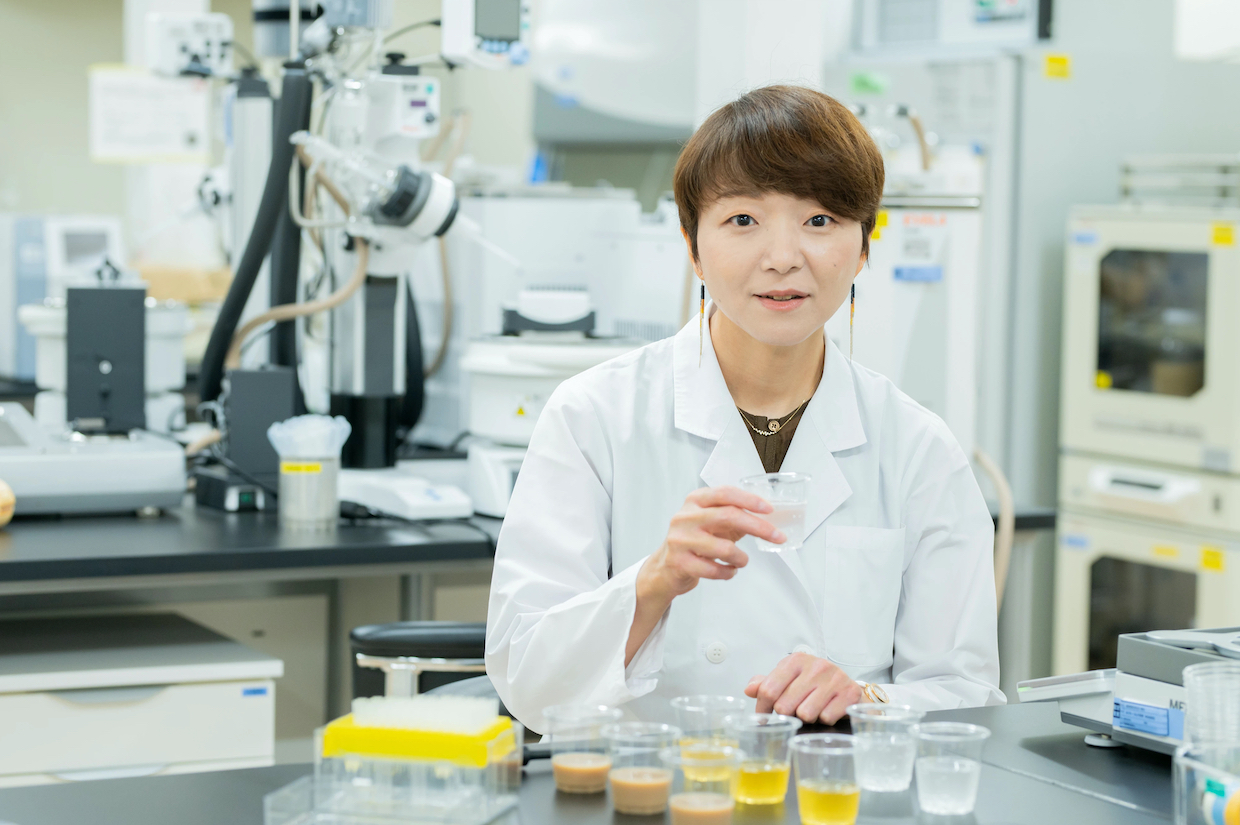
Kirin researcher Sayaka Tsuji helped lead the ingredient development. Kirin press photo.
Japanese beverage giant Kirin Holdings has announced a new fermented ingredient made from coffee farm byproducts, pitching it as a flavorful and body-building beverage enhancer and a circular sustainability solution.
The ingredient was developed over the past seven years at Kirin’s Institute for Future Beverage. The company — known internationally for its beer — used coffee cherry flesh and skin, the sticky material surrounding the coffee seed that is often discarded as waste or composted on farms, to make a fermented extract.
Small specialty coffee companies and independent beverage brands have been experimenting with cascara and other coffee cherry byproducts for years — similarly promoting potential environmental or farm-focused economic benefits. Yet most have lacked the R&D muscle, marketing budgets and even regulatory influence needed to push those products beyond niche audiences that Kirin might offer.
Kirin’s researchers relied on fermentation technology originally developed for wine, using lactic acid bacteria and yeast to ferment concentrated coffee cherry juice. The company said the finished ingredient enhances “warmth,” fruity notes and perceived alcohol-like richness.
It has already reached the market in Japan through a limited-edition ready-to-drink cocktail in Kirin’s Tokusei beverage line.
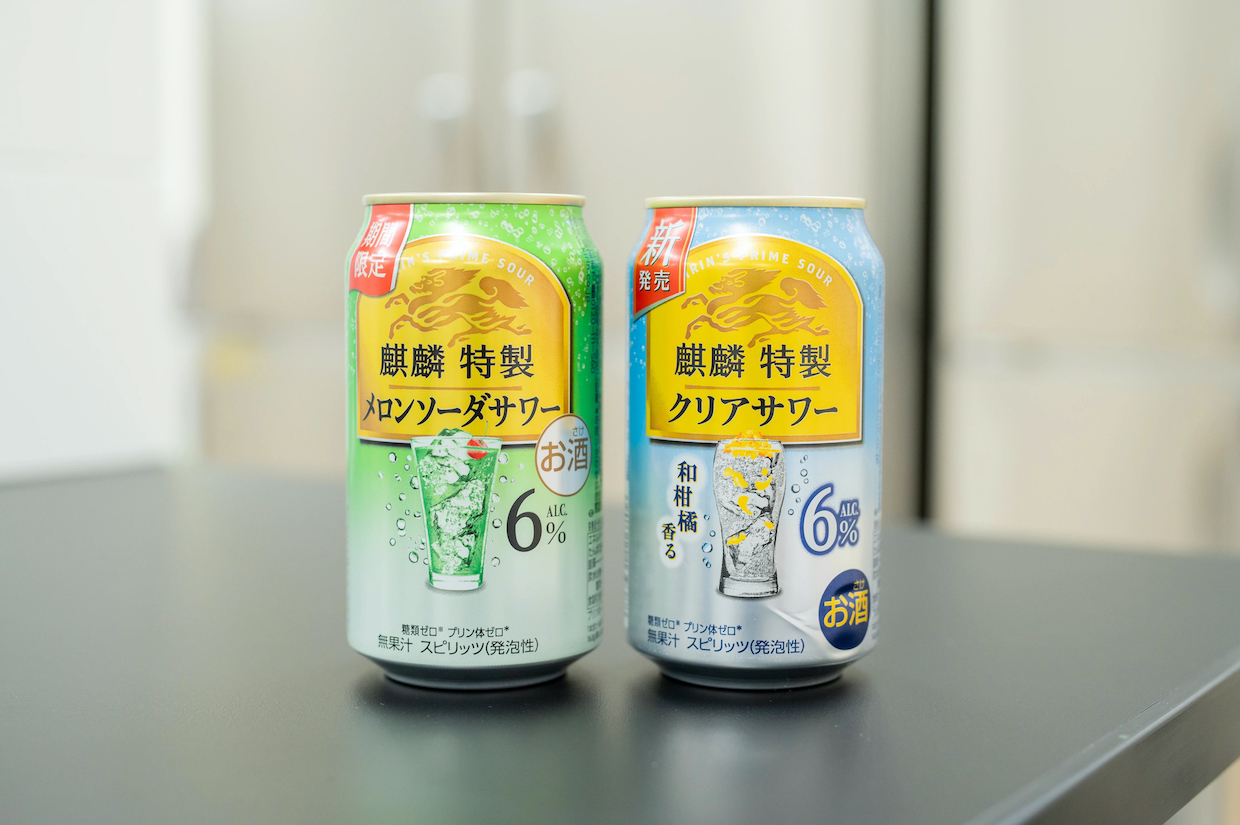
Kirin press photo.
For Kirin, the project fits into a long-running bet on research, fermentation and functional ingredients, such as matured hop extracts.
For the coffee industry, upcycling coffee waste holds potential for farm-level benefits, yet issues with logistics and scalability, greenwashing and food production regulations remain.
One study in Colombia estimated that the coffee sector generates roughly 0.9 kilograms of material waste for every kilogram of coffee cherries harvested, adding up to thousands of tons of pulp, husk and mucilage each year.
While that waste is often composted locally, it is also sometimes dumped or burned, contaminating soil and waterways. As a result, it has been identified for circular-use potential, eliminating waste while adding a possible revenue stream for farmers. The dried coffee flesh known as cascara has been promoted for antioxidant properties and can offer a subtle tart, fruity flavor.
In the context of coffee and beverages, cascara is often brewed into a tea, while numerous small companies have introduced cascara-based RTD products. Yet multiple studies have shown that scalability remains a challenge due to supply chain logistics.
Kirin did not provide details on how it is sourcing coffee byproducts, though the company said it is continuing to develop new market-ready beverages featuring the ingredient.
Comments? Questions? News to share? Contact DCN’s editors here. For all the latest coffee industry news, subscribe to the DCN newsletter.
Related Posts



Comment