

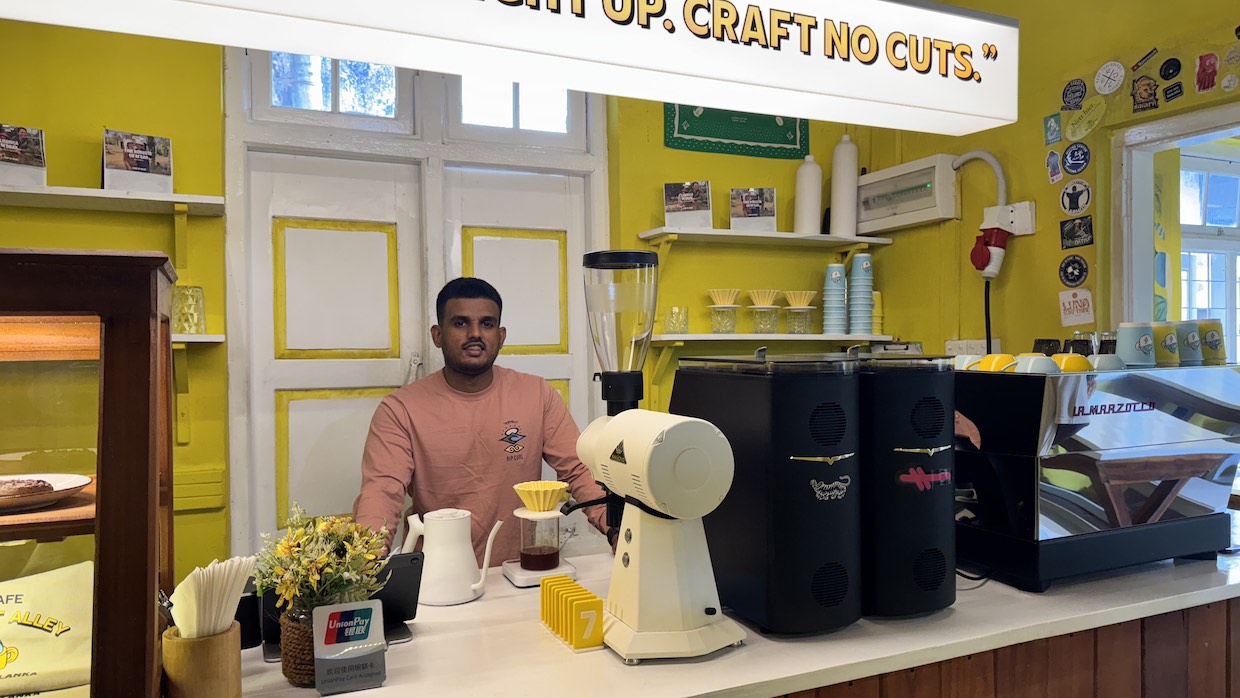
Cafe Secret Alley Founder Dilshan “Arty” Ranaweera. Courtesy photo.
When Dilshan “Arty” Ranaweera opened Cafe Secret Alley in Kandy, Sri Lanka, in 2017, he knew next to nothing about coffee.
“Sri Lanka didn’t have a coffee culture,” Ranaweera said. “Coffee was a home remedy for stomach aches or if you wanted to spend the night working or studying … and it was really bitter coffee.”
Yet the cafe wasn’t aimed at locals — it was for tourists. After Sri Lanka’s 30-year civil war ended in 2009, tourism slowly revived, and by 2015, backpackers flooded the country. Kandy, a popular destination for its historical significance and highland beauty, had no cafes, and Ranaweera saw an opportunity.
“We started really small with smoothie bowls and coffee,” he said. “We didn’t know anything about coffee, so when a guy approached us about a machine where you can put a capsule in it and get coffee, we said, ‘Sure, why not? We can try it.’”
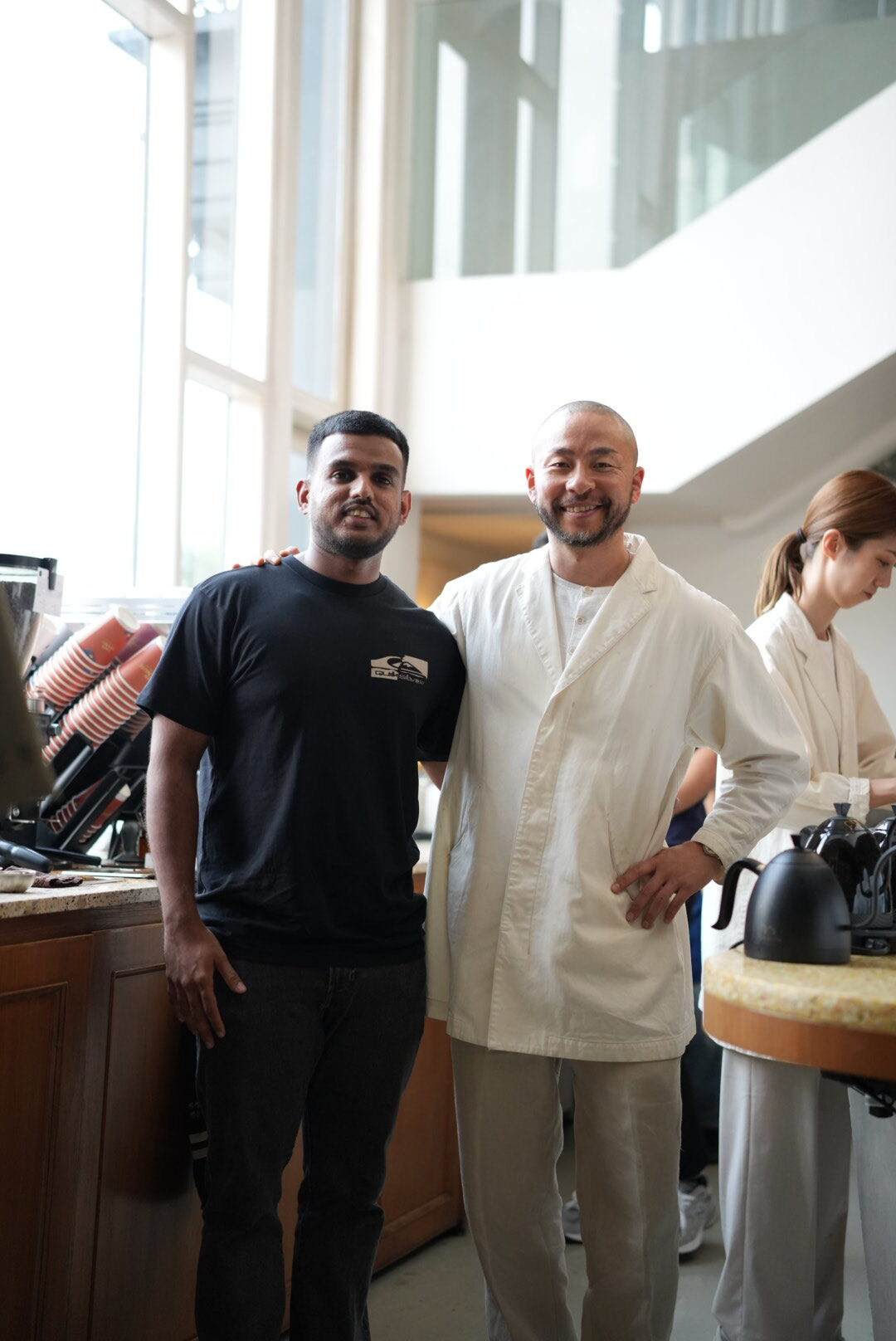
Courtesy photo.
Secret Alley’s food menu impressed customers, but the coffee didn’t measure up. When a customer suggested he “step it up,” Ranaweera took the suggestion to heart. Knowing Indonesia had a thriving coffee culture, he traveled to Bali to observe cafe operations firsthand.
Progress came gradually, with updates to the shop’s grinding and brewing equipment while Ranaweera took Specialty Coffee Association courses in coffee education. Since earning a barista certificate, he has committed to serving only high-quality specialty coffee at the shop.
As specialty coffee gains traction among Sri Lankans — particularly in the largest city, Colombo — Ranaweera has watched the clientele shift. More locals now frequent the cafe, and their orders reflect a deepening coffee knowledge.
Ranaweera sources beans from local producers who roast or from international roasters who ship roasted coffees. Working with local partners, he plans strategically to keep Secret Alley’s offerings diverse.
“I know how stock moves, so I’ll ask for an aerobic this month and a carbonic maceration the next,” he said. “They roast for our needs, and we can keep the freshness this way.”
This fall, Ranaweera plans to start roasting at the cafe. He recently became a Q Grader.
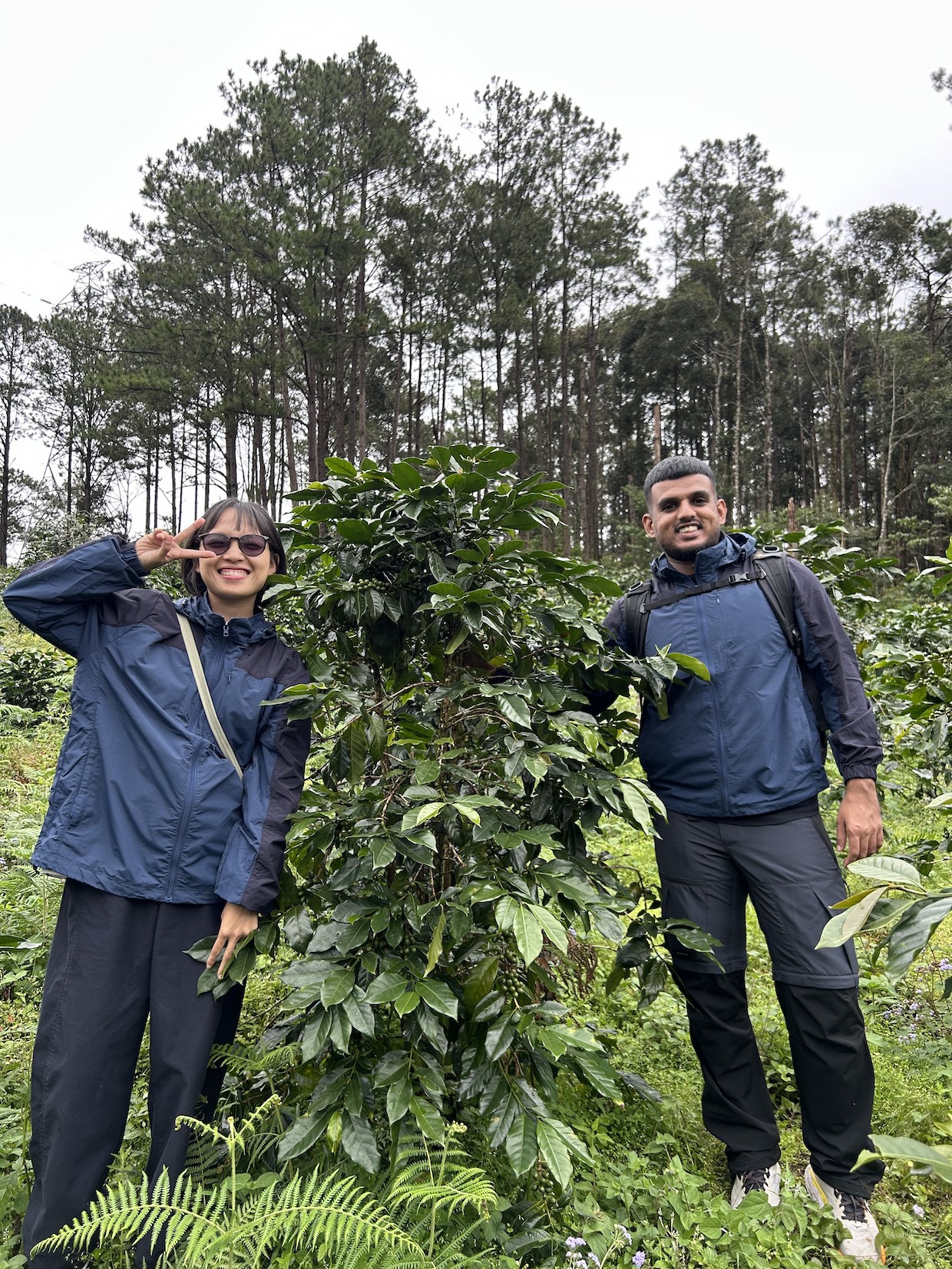
Courtesy photo.
“This is the very beginning of the specialty coffee boom here in Sri Lanka,” he said. “I think in the future, many more people will get involved and production will increase. This is a blessed land, so there are endless possibilities.”
Here’s more from DCN’s interview with Arty Ranaweera…
What about coffee excites you most?
I’m a person who loves to dig deep into things, and I think coffee is something you can learn more about every day. Since I began [in] specialty coffee, there’s so much you can play with. I recently met this woman who is into chemistry and has scientific insights for fermenting. So, like that, we can play with the processing and so many aspects of coffee.
What about coffee troubles you most?
In Sri Lanka, I see growth and troubling parts. We’re investing so much into coffee, but at times the country is politically and economically unstable. What concerns me is making sure the cafes, the farmers, the families that depend on coffee are safe. In specialty coffee, we need many people working from top to bottom, and all of these people need assurance — like, okay, we can build a future in this industry. We’re not a huge country, and we’re small in terms of the global coffee supply. We are still booming, but making sure we can survive in the coming years.
What would you be doing if not for coffee?
I would be doing something creative or something where I can continually learn. Maybe a chef.
Comments? Questions? News to share? Contact DCN’s editors here. For all the latest coffee industry news, subscribe to the DCN newsletter.
Related Posts
Jen Roberts
Jen Roberts is a Paris, France-based writer and avid coffee drinker. She’s currently writing a book on women in coffee.


Comment